The Architecture of Burj Al Arab: Engineering the Sail-Shaped Marvel
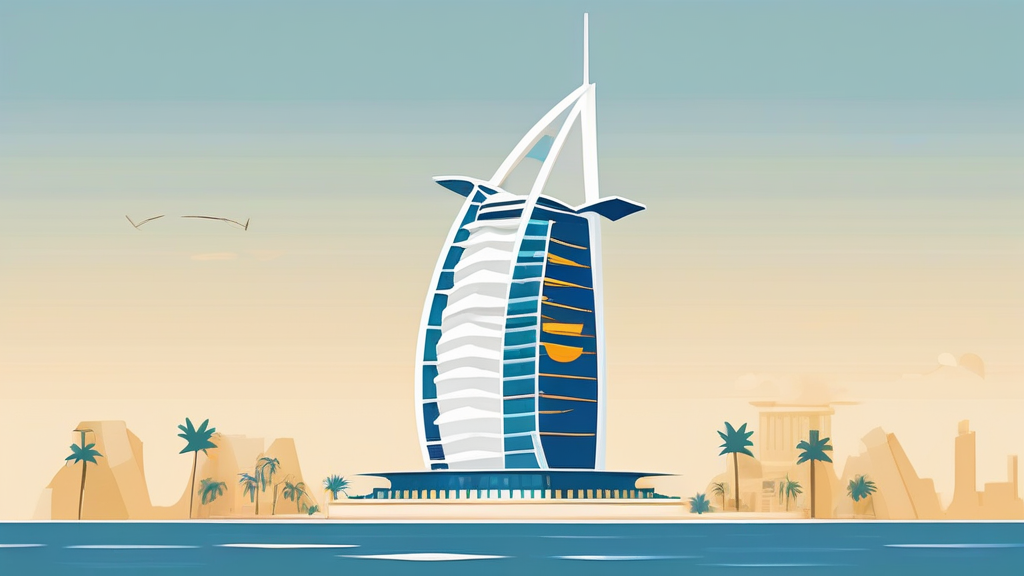
When you think of Dubai, the first image that likely pops into your head is the burj al arab architectural facts that define the skyline. Standing tall as a beacon of modernity, this structure is more than just a hotel; it is a testament to human ambition.
I have always been fascinated by how architects turn impossible dreams into steel and glass reality. The Burj Al Arab isn't just an icon of luxury; it is a masterclass in structural engineering that pushed the boundaries of what was considered possible in the late 1990s.
- The Burj Al Arab is built on a man-made island, reclaimed from the Persian Gulf, sitting 280 meters offshore.
- Its distinct sail-like profile is inspired by the dhow, a traditional Arabian vessel that reflects the region's maritime heritage.
- The structure stands at 321 meters, utilizing a complex exoskeleton to support its massive, wind-exposed facade.
The Vision: Designing an Icon
Tom Wright, the architect behind the project, had a singular goal: to create a symbol for Dubai that would be as recognizable as the Sydney Opera House or the Eiffel Tower. He didn't want just another skyscraper; he wanted a sculpture.
The design process was grueling. The challenge was to create a building that looked like a sail caught in the wind while maintaining the stability required to withstand the harsh coastal climate of the United Arab Emirates. The result was a V-shaped floor plan that creates a massive atrium, allowing natural light to flood the interior.
Why the Sail Shape?
The sail shape isn't merely for aesthetic pleasure. It serves a functional purpose in balancing the building's weight and wind resistance. By utilizing a double-skinned Teflon-coated fiberglass membrane, the architects managed to create a translucent surface that glows at night.
This membrane is a marvel of material science. It keeps the interior cool while allowing the building to maintain its ethereal, light-filled appearance. It is arguably one of the most brilliant examples of how form can follow function in modern architecture.
Engineering the Impossible: The Island Foundation
Building a skyscraper is difficult enough on solid ground. Doing it on a man-made island is an entirely different beast. The engineers had to drive 230 concrete piles, each 40 meters long, deep into the seabed to support the weight of the structure.
The island itself is protected by a honeycomb of concrete blocks designed to break the force of the waves. This was a critical step in the construction process; without this armor, the constant erosion from the sea would have compromised the foundation within years.
Structural Stability and the Exoskeleton
The Burj Al Arab relies on a massive steel exoskeleton that frames the building. This steel cage is the primary reason the building can stand against the strong winds found 280 meters out at sea. It acts like a corset, holding the entire structure together during high-velocity storms.
What makes this particularly impressive is that the steel was designed to flex slightly. If the building were completely rigid, the wind forces would eventually cause structural fatigue. By allowing for minor movement, the engineers ensured the longevity of the project.
Key Takeaway: The Burj Al Arab is a triumph of geotechnical and structural engineering, proving that even the most unstable coastal environments can support record-breaking vertical structures when the right foundation and support systems are implemented.
Living the Luxury: Interior Design and Atrium
Stepping inside, the scale of the atrium is disorienting. It is the tallest of its kind in the world, spanning the entire height of the building. The interior design, led by Khuan Chew, was meant to showcase the opulence of the region, utilizing gold leaf, marble, and vibrant colors.
The use of space here is deliberate. The layout forces the eye upward, emphasizing the height of the building. Every detail, from the fountain at the base to the light fixtures, is designed to enhance the sense of grandiosity that the exterior promises.
Addressing the Myths: Is it a 7-Star Hotel?
You have likely heard the term "7-star hotel" tossed around in travel blogs and marketing materials. To be clear, there is no official 7-star rating system in the hospitality industry. The designation was coined by a journalist during the opening phase and stuck because of the sheer level of service and luxury provided.
From the personal butlers assigned to every suite to the fleet of Rolls-Royces available for guests, the experience is designed to be unparalleled. Whether it earns that extra star or not is subjective, but the architectural and service standards are undoubtedly among the highest in the world.
Frequently Asked Questions (FAQ)
What makes the Burj Al Arab so special?
The Burj Al Arab is special because it was the first building of its kind to be constructed on a man-made island, and it features the world's tallest atrium. Its unique sail-shaped design has become a global symbol for Dubai's rapid development.
Why is the Burj Al Arab shaped like a sail?
The sail shape was chosen to pay homage to the traditional dhow ships of the region, reflecting Dubai's maritime history. Structurally, the curved shape helps the building withstand wind loads by allowing air to flow around the facade more efficiently.
How deep are the foundations of the Burj Al Arab?
The foundation is supported by 230 concrete piles that are driven 40 meters deep into the seabed, ensuring the building remains stable despite the soft, sandy conditions of the artificial island.
Understanding the technical complexity behind such an icon changes how you look at the skyline. It isn't just a pretty shape; it is a calculated response to nature, wind, and the desire to push human limits. If you ever find yourself in Dubai, take a moment to look at the base of the island and appreciate the engineering that keeps this sail afloat.

Post a Comment for "The Architecture of Burj Al Arab: Engineering the Sail-Shaped Marvel"