Why Aman Tokyo’s Minimalist Architecture Defines Modern Japanese Luxury
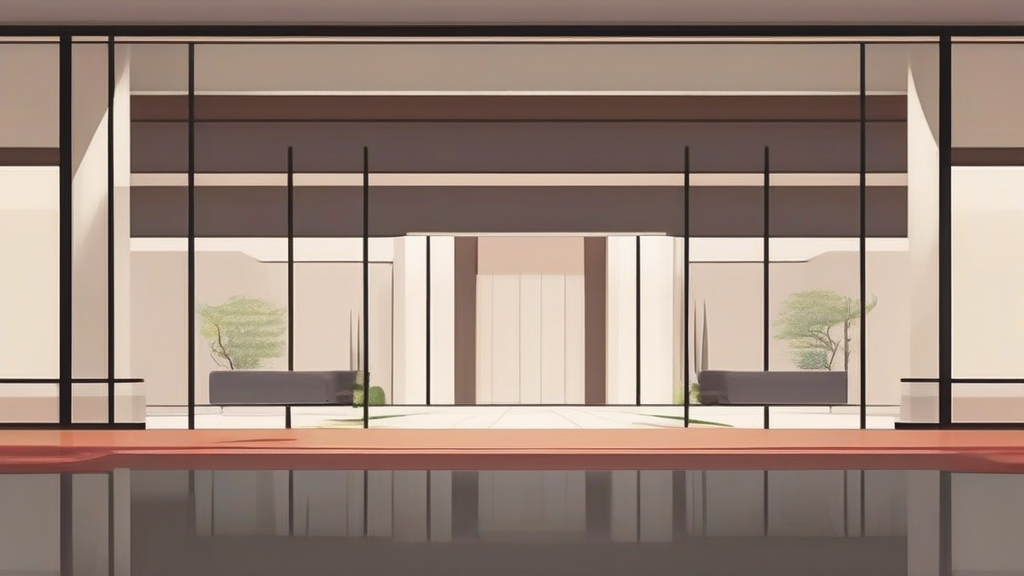
When I first stepped into the lobby of the Otemachi Tower, I realized that Aman Tokyo minimalist architecture design is not just about empty space; it is about the deliberate curation of silence in the heart of a chaotic metropolis. The transition from the bustling streets of Tokyo to this elevated sanctuary feels less like checking into a hotel and more like entering a different dimension of consciousness.
- Aman Tokyo masterfully balances the scale of a skyscraper with the intimate, quiet atmosphere of a traditional Japanese home.
- The design philosophy relies on the interplay of light and shadow, utilizing natural materials like Washi paper and Camphor wood to create warmth.
- By stripping away the unnecessary, the architecture allows guests to find clarity and peace, defining a new standard for urban luxury.
The Philosophy Behind the Space
To understand why this property feels so profound, you have to look at the vision of the late architect Kerry Hill. He didn't just build a hotel; he constructed a frame for the city. The minimalism practiced here is not the cold, sterile variety often found in modern high-rises. Instead, it is deeply rooted in the concept of 'Ma'—the Japanese aesthetic of negative space.
Hill understood that in a city as dense as Tokyo, true luxury is the absence of noise. Every angle, every texture, and every shadow has been calculated to guide your eye toward the horizon. When you look out from the lobby, the floor-to-ceiling windows don't just show you the city; they turn the skyline into a living, breathing piece of art.
The Role of Traditional Materials
Aman Tokyo succeeds because it refuses to ignore the history of its location. While the structure is a triumph of modern engineering, the interior feels tactile and organic. You see it in the use of Shoji screens, which filter the harsh daylight into a soft, diffused glow. These screens provide privacy without feeling like a barrier.
The choice of materials—Basalt stone, Camphor wood, and Washi paper—creates a sensory experience that anchors you to the earth. It is a brilliant contrast to the glass and steel that define the rest of the Otemachi district. This is how you create an interior design that feels timeless rather than trendy.
How Aman Tokyo Minimalist Architecture Design Shapes Guest Experience
Have you ever noticed how your mood shifts the moment you walk into a room with high ceilings and uncluttered surfaces? That is the psychological impact of this specific architectural language. The lobby, with its massive, soaring ceiling inspired by a traditional Japanese paper lantern, forces you to slow your breathing.
It is a masterclass in spatial manipulation. The design doesn't shout for your attention; it invites you to observe. By limiting the color palette to dark, moody tones and warm wood grains, the hotel creates a cocoon. You feel protected from the intensity of the world outside.
The Architecture of Silence
The hallways at Aman Tokyo are intentionally dim, guiding you toward the light of the rooms. This creates a sense of discovery. You aren't just walking to your door; you are transitioning through a sequence of spaces designed to quiet the mind. It is a subtle, almost invisible form of hospitality that many luxury brands fail to grasp.
Most luxury hotels try to impress you with gold leaf or ornate chandeliers. Aman does the opposite. They impress you with the quality of the silence and the precision of the joinery. When you touch the walls or walk across the floor, you feel the weight of craftsmanship. This is where the true value lies.
Addressing the Experts: Who Built This Masterpiece?
A common question among design enthusiasts is: who is the architect of Aman Tokyo? The answer is the late Kerry Hill, an Australian architect whose firm was renowned for its ability to integrate luxury resorts into their natural surroundings. Hill spent his career studying the intersection of modern geometry and local culture.
His work on this project serves as his legacy. He managed to reconcile the sheer scale of the Otemachi Tower with the human need for intimacy. It is a delicate balance. If the ceilings were lower, the space would feel claustrophobic. If the windows were smaller, the connection to the city would be lost. Hill found the exact point of equilibrium.
Understanding Japanese Minimalism
What is Japanese minimalism style? It is often misunderstood as simply having "less stuff." In reality, it is about the removal of the non-essential to highlight the beauty of the essential. It is a disciplined approach to living that emphasizes function, simplicity, and the appreciation of natural materials.
At Aman Tokyo, this means that every piece of furniture serves a purpose. There are no decorative trinkets meant to fill a void. Instead, the architecture itself acts as the decoration. The way the light hits the stone floor at four in the afternoon is the entertainment. The way the wood grain flows along the wall is the artwork.
The Evolution of Modern Luxury
We are seeing a shift in the hospitality industry. Travelers are moving away from the "more is more" mentality of the early 2000s. Today, the most discerning guests are looking for spaces that allow them to disconnect. Aman Tokyo sits at the forefront of this movement.
The hotel proves that you don't need excessive ornamentation to be prestigious. In fact, the most expensive thing you can offer someone today is a sense of calm. By investing in high-quality materials and a layout that promotes mental clarity, the brand has created a business model that is as sustainable as it is beautiful.
Final Thoughts on Urban Sanctuaries
Walking through the corridors of Aman Tokyo, I am reminded that architecture is the most permanent form of communication. It tells a story about how we value our time and our headspace. This property remains a benchmark for anyone interested in how design can affect our well-being.
If you ever find yourself in Japan, make it a point to visit. Even if you aren't staying overnight, the lobby is a masterclass in how to build a sanctuary in the middle of a storm. It is a reminder that beauty is not about what you add, but what you have the courage to take away.
Frequently Asked Questions (FAQ)
Who is the architect of Aman Tokyo?
The hotel was designed by the renowned Australian architect Kerry Hill. He was instrumental in creating the brand's signature aesthetic, which blends modern, clean lines with traditional cultural elements.
What is Japanese minimalism style?
Japanese minimalism is a design philosophy centered on simplicity, functionality, and the use of natural materials. It focuses on the concept of 'Ma' (negative space) and emphasizes the beauty of the essential while eliminating clutter to create a sense of calm and clarity.
Why is Aman Tokyo considered a benchmark for luxury?
It is considered a benchmark because it redefines luxury as an experience of space and silence rather than material excess. By combining high-end craftsmanship with a minimalist design that isolates guests from urban noise, it offers a rare, restorative environment in the heart of a major city.
Post a Comment for "Why Aman Tokyo’s Minimalist Architecture Defines Modern Japanese Luxury"