Fine Dining at 3,000 Meters: A Review of the Alps’ Highest Restaurants
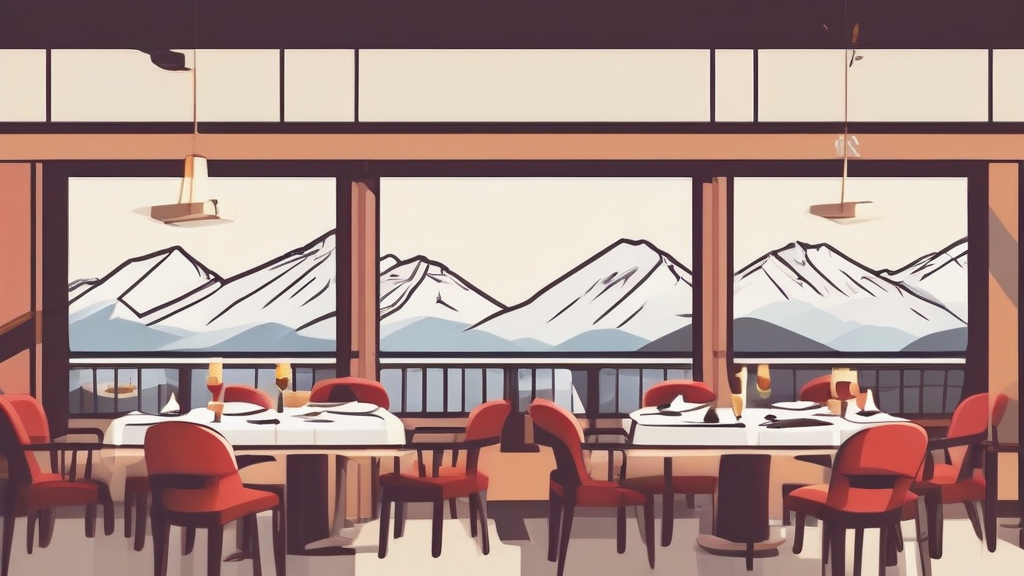
Finding world-class high altitude luxury dining switzerland experiences requires more than just a fat wallet; it demands a strategic ascent. You aren't just paying for the caviar; you're paying for the logistical miracle of getting fresh truffles to a peak where the oxygen is thin and the wind bites.
Key Insights
- Logistics govern flavor: Supply chains rely on cable cars, not delivery trucks.
- Altitude affects your palate: Your ability to taste salt and sweetness diminishes as you climb.
- Reservation windows are tight: Book three months ahead or don't bother.
- Dress code: "Alpine Chic" means heavy wools paired with technical gear.
Most people assume that thin air ruins a meal. Science suggests otherwise.
Low pressure at 3,000 meters changes how your olfactory receptors perceive aromatics. It’s the culinary equivalent of turning the treble down on your favorite stereo system. Chefs who excel in these environments compensate by leaning into umami-rich ingredients like fermented Alpine cuisine staples, aged mountain cheeses, and deep, slow-cooked broths.
| Feature | Standard Fine Dining | High-Altitude Fine Dining |
|---|---|---|
| Logistics | Road-based delivery | Cable car/Helicopter freight |
| Palate Impact | Standard | Reduced sweetness/salt sensitivity |
| Atmosphere | Urban/Controlled | Unpredictable/Panoramic |
The Reality of High Altitude Luxury Dining Switzerland
I recently spent a week traversing the Valais region. My goal was simple: find where the linen tablecloths meet the Swiss Alps. The difference between a tourist trap and a true gastronomic sanctuary is often a single chef who refuses to compromise on ingredient sourcing despite the vertical incline.
Logistics and Sourcing at 3,000 Meters
Imagine trying to keep a soufflé from collapsing while a gale-force wind rattles the windowpane. It’s not just about the recipe. It’s about managing the internal micro-climate of the kitchen. These chefs are engineers as much as they are cooks.
They battle humidity fluctuations and limited cold storage. If the wind hits 100km/h, the cable cars stop. If the cable cars stop, the deliveries don't arrive. You are eating what the mountain gave the kitchen that morning.
The Palate Shift
When you dine at high altitude, you might find your glass of vintage Bordeaux tastes slightly muted. Don't blame the sommelier. Your body is preoccupied with oxygen saturation, leaving your taste buds less sensitive to subtle nuances.
Smart chefs here prioritize textures and temperature contrasts. They use crunchy elements and heat to shock your palate back to life. It’s a sensory reset that you simply cannot replicate in a downtown bistro.
FAQ: Everything You Need to Know
What is the highest elevation restaurant in Europe?
That title belongs to the Glacier 3000 restaurant near Gstaad. It sits at 3,000 meters and offers views of the Eiger, Mönch, and Jungfrau peaks while you digest your meal.
Do you need to worry about altitude sickness in Switzerland?
At 3,000 meters, most healthy individuals handle the change fine. However, hydration is vital. Alcohol hits you significantly faster at these elevations, so pace your wine pairings accordingly.
How should I dress for a luxury mountain meal?
Forget the tuxedo. The best mountain luxury is "Alpine Chic"—think high-end cashmere, tailored wool trousers, and sturdy leather boots. You want to look sharp, but you need to be ready to walk through a snowbank to reach the door.
The next time you’re planning a trip to the peaks, stop looking for the most famous name on the map. Look for the kitchen that respects the mountain's volatility. That’s where the real magic happens.
Post a Comment for "Fine Dining at 3,000 Meters: A Review of the Alps’ Highest Restaurants"